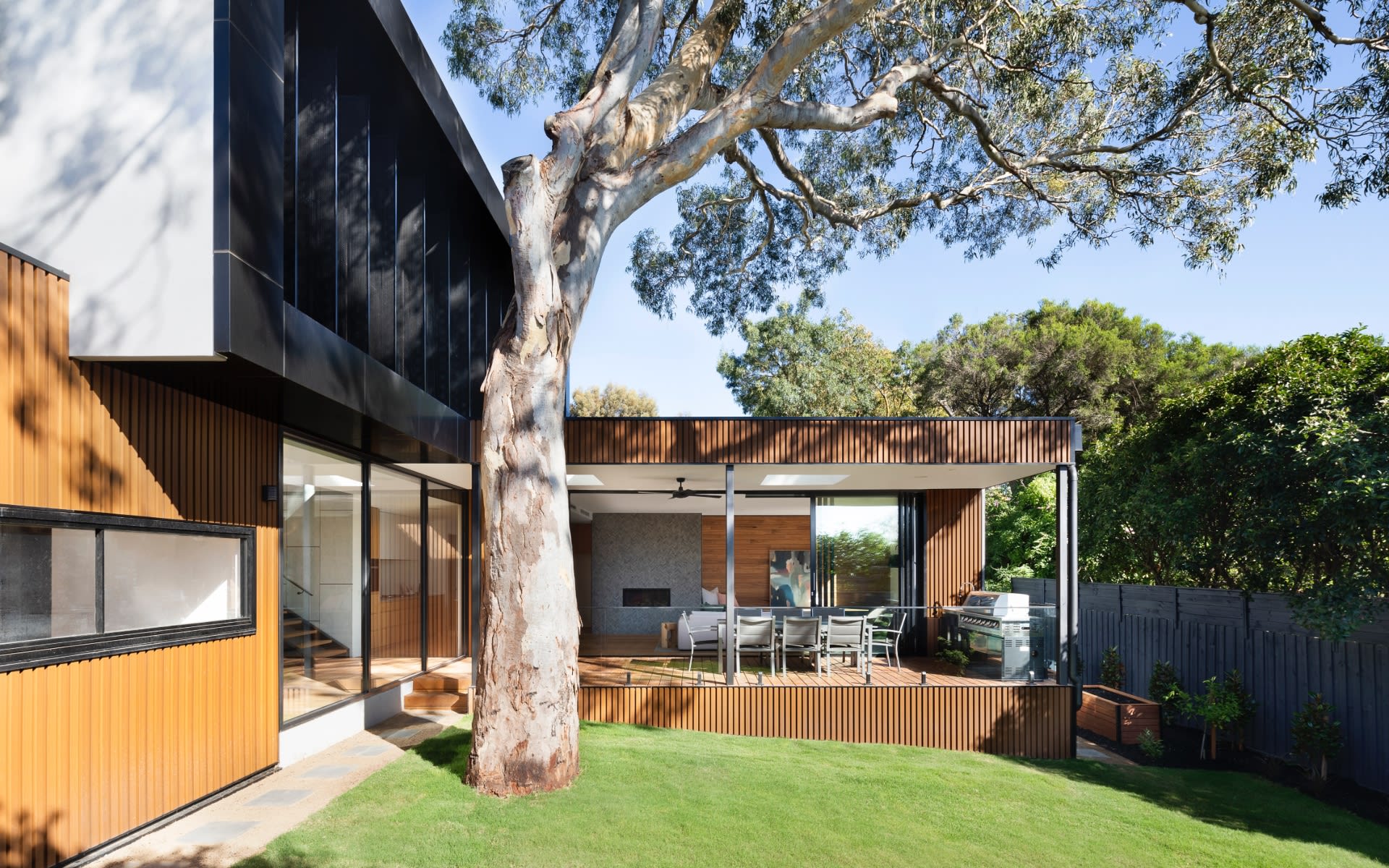
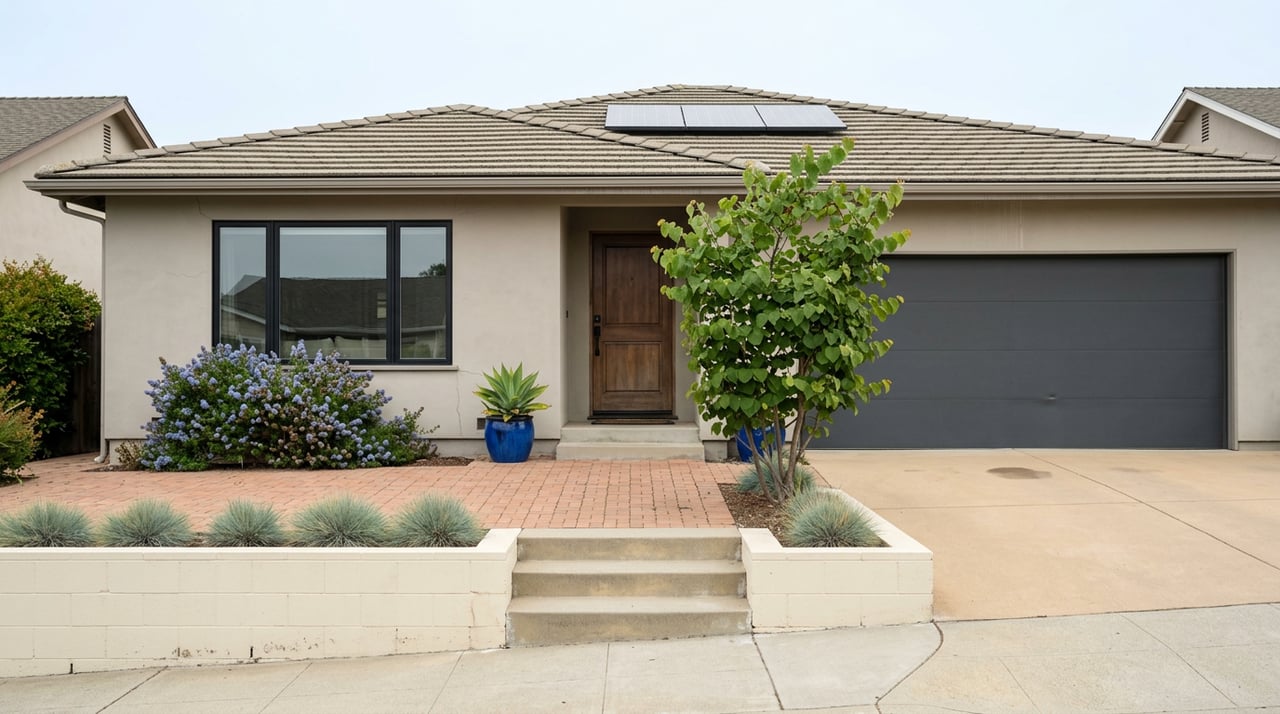
Two homes list in San Bruno the same week. One sits on a curving hillside street with a distant bay view. The other sits three blocks from San Mateo Avenue, close enough that a jet's landing gear is genuinely audible on a still evening. Both sellers will hand their buyer the same disclosure form, with the same boilerplate language about airports and inconveniences. Only one of them is describing daily life accurately.
That's the wrinkle nobody explains before a San Bruno sale. The city's airport noise disclosure is a flat, citywide requirement, but the noise itself follows a hard geographic line. Knowing where that line falls, and what the paperwork actually obligates a seller to do about it, matters more than most people realize until the form is sitting in front of them.
The Same Paperwork for Every Address in Town
San Bruno has its own dedicated chapter of municipal code for this. Chapter 6.18, titled Mandatory Real Estate Transfer Disclosure Regarding Airport Noise, requires any seller of a single or multi-family home in the city, or the agent representing them, to complete a Local Option Real Estate Transfer Disclosure Statement before the sale closes.
That sits on top of a separate requirement California already imposes statewide. Business and Professions Code Section 11010 requires anyone offering property within two miles of an airport, inside what the state designates an Airport Influence Area, to include specific language in the offering documents. That language tells a buyer the property sits in the vicinity of an airport and may carry "annoyances or inconveniences" from noise, vibration, or odors, while noting that individual sensitivity varies.
The city ordinance applies to qualifying residential sales throughout San Bruno, while the state requirement described above applies to property within two miles of the airport. Every qualifying San Bruno seller completes the same local form.
Why the Distance Numbers Span Four Miles
This is where San Bruno stands apart from its neighbors. Disclosure documentation for the city places its housing stock anywhere from roughly a quarter mile to about four miles from the developed edge of San Francisco International Airport, a genuinely wide range for one city to cover under a single ordinance.
Compare that with the cities on either side of it. Pacifica's own ordinance describes its housing as sitting between about 2.5 and 4.1 miles from the airport. South San Francisco's ordinance takes a simpler approach and states that all residential property in the city falls within 3.75 miles of SFO. Both of those cities can describe their entire housing stock with something close to a single number.
| City |
Distance range from SFO per disclosure ordinance |
| San Bruno |
~0.25 to 4.0 miles |
| Pacifica |
~2.5 to 4.1 miles |
| South San Francisco |
up to 3.75 miles (single figure) |
San Bruno can't collapse its range into one number, because the airport's developed perimeter and the city's own boundary practically touch in one part of town while sitting four full miles apart in another.
The Line Buyers Should Actually Care About
The city's 2023-2031 Housing Element draws the practical boundary that residents actually feel. SFO sits east of San Bruno, across U.S. 101, and two of the airport's four runways run east-west, routing arrivals and departures directly over the city's northeastern edge. The document states plainly that overflight noise primarily affects neighborhoods east of San Mateo Avenue, with the areas closest to the airport on that same eastern side feeling it most.
That's the line that matters more than the disclosure form itself. West of San Mateo Avenue, in the hillside sections of town, a home can sit four miles from SFO's perimeter and rarely register a flight overhead. East of that line, closer to the airport's developed edge, overflight noise is a routine part of daily life no matter what the paperwork calls it.
What That Line Costs, and What It Doesn't
Price data reflects the split, though not in a way that's purely about noise. Citywide, the median sale price for a San Bruno home stood at $1.4 million as of March 2026. In San Bruno Park, the flatter, older neighborhood closest to the flight corridor, the three-month median sale price ran $870,000 through May 2026, a meaningful gap even accounting for smaller lots and older housing stock in that part of town.
Home size, age, and lot size all play into that number. So does proximity to the flight path, and pretending otherwise doesn't serve a seller well either. San Bruno isn't one market wearing one price tag. It's several micro-markets stacked inside one city limit, and the airport disclosure line happens to run right through the middle of them.
Two Renovation Rules That Catch Sellers Off Guard
The disclosure ordinance isn't the only place airport rules surface in a San Bruno transaction. Two building code provisions tied to the same noise program tend to surprise sellers who are renovating before listing.
- renovated at a cost equal to 25 percent or more of its current market value, local code requires it to be insulated to meet FAA noise insulation program standards, as the National Academies explains. A seller planning a substantial remodel before listing should confirm that threshold with the city before pulling permits, not after.
- If a home already received soundproofing through the FAA Noise Insulation Program, the owner cannot deliberately reduce or undo the effectiveness of that mitigation. Swapping out program-installed windows for a style upgrade without maintaining equivalent sound performance can put a seller on the wrong side of that rule.
Both provisions exist because the same airport that generates the disclosure requirement also funded physical noise mitigation in the affected neighborhoods decades ago. That mitigation is now built into the housing stock east of San Mateo Avenue, and it's quietly part of what a buyer in that part of town is paying for.
The Redevelopment Sitting Inside the Loudest Zone
San Bruno's biggest development story of the past few years sits almost entirely on the noise-affected side of the city. The former Shops at Tanforan site is being redeveloped into a large mixed-use project with life science space, retail, and roughly 1,000 new multifamily homes, a plan the city council approved even after SFO itself raised concerns about the project's compatibility with airport operations.
That detail matters for anyone watching San Bruno's housing supply. The largest wave of new units arriving in the city over the next several years is landing inside the same flight corridor, while the city's local disclosure form applies to qualifying homes citywide. Buyers moving into that new inventory will sign the same paperwork as a buyer in the hillside neighborhoods, and understanding why the form reads the way it does is worth doing before closing, not after.
What This Means If You're Selling in San Bruno
The disclosure form itself won't sink a sale. Every qualifying home in the city carries it, so a buyer touring San Bruno already expects to see it, regardless of which neighborhood they're considering. What actually shapes a buyer's reaction is whether the listing's description of daily life on that street matches what they experience after closing.
A seller east of San Mateo Avenue who glosses over the flight corridor risks a buyer feeling misled during the inspection period. A seller on the hillside who over-explains the citywide airport disclosure as though it signals a street-specific problem risks talking a nervous buyer out of a home that never had the problem to begin with. Getting that balance right, street by street, has less to do with the ordinance and more to do with knowing which side of the line a given address actually sits on.
A Few Questions Sellers Ask First
Does every San Bruno seller have to complete the disclosure, even in a quiet hillside neighborhood?
Yes. Chapter 6.18 applies to any qualifying residential sale in the city regardless of distance from the airport. The form doesn't vary by neighborhood, only the buyer's actual experience does.
I'm planning a major remodel before I list. Does the airport noise rule affect my project?
It can. If the renovation cost reaches 25 percent or more of the home's current market value, local code may require FAA-standard noise insulation as part of the work. Confirm the threshold with the city before finalizing renovation plans.
Does living near the flight corridor automatically mean my home is worth less?
Not on its own. Location within the affected zone is one factor among several, alongside lot size, home age, and condition. The neighborhoods closest to the flight corridor also happen to be some of San Bruno's older, flatter housing stock, which affects price in its own right.
Ready to Talk Through Your Own Address
If you're weighing a sale in San Bruno and want a straight answer about which side of the line your home falls on, and what that means for pricing and disclosure, reach out to Fadi Shamieh Real Estate Group. Get Your Free Home Valuation and we'll walk through your specific street, not a citywide average.
This article is general information, not legal, tax or financial advice. Consult a qualified professional about your situation.