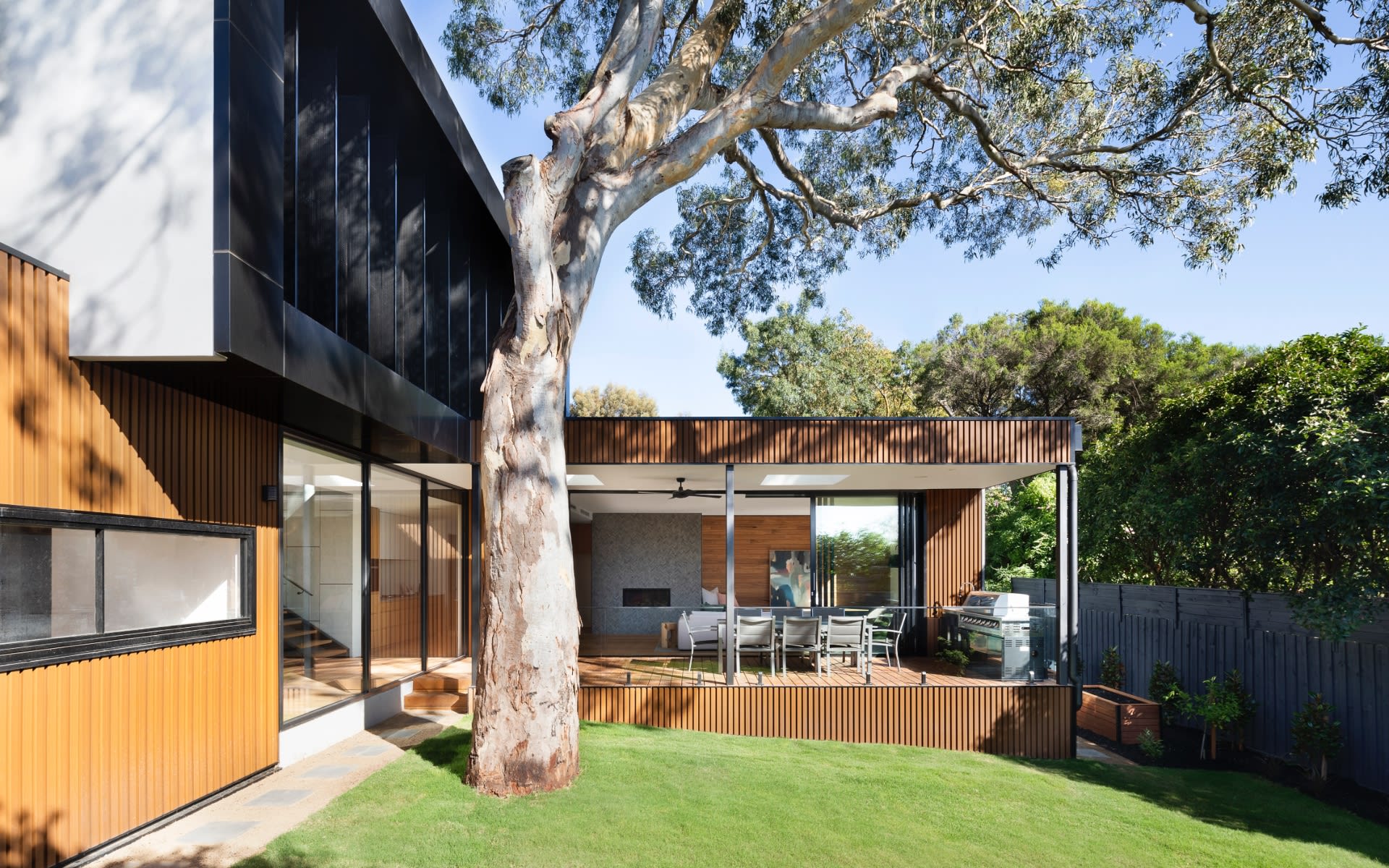
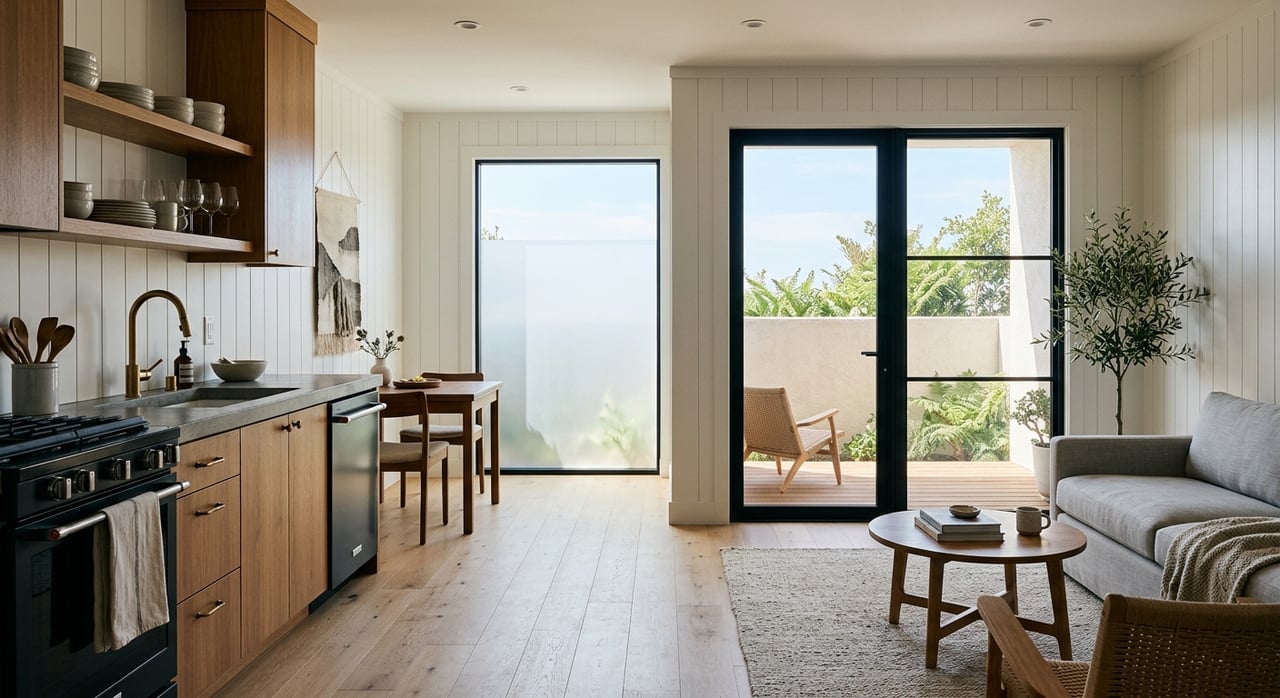
Buying your first home in the Bay Area can feel like a math problem that never ends. If single-family prices in San Bruno seem out of reach, condos and townhomes may offer a more realistic path into the market without giving up convenience or location. In this guide, you’ll see how attached homes in San Bruno compare on price, what to watch for with HOA costs and financing, and how to shop with more confidence. Let’s dive in.
Why San Bruno Attached Homes Stand Out
For many first-time buyers, the biggest advantage of a condo or townhome in San Bruno is the lower price point. In the latest San Bruno market snapshot from MLSListings, the median sale price for condos and townhomes is $539,000, compared with $1,550,000 for single-family homes.
That gap matters. It puts the attached-home median at about $1 million lower than the single-family median, which can make ownership feel much more attainable if you are trying to balance your monthly payment, down payment, and closing costs.
Attached homes in San Bruno also move at a different pace. MLSListings shows a median of 28 days on market, 2.5 months of inventory, and a 98% sale-to-list ratio for condos and townhomes, while single-family homes show a median of 6 days on market. That does not mean attached homes are easy to buy, but it can mean a little more breathing room as you compare options.
What Price Ranges Look Like
One helpful thing about San Bruno is that attached-home inventory is not stuck in one narrow budget band. Current examples on MLSListings range from a $329,000 studio-style condo to one-bedroom homes around $459,000 to $499,000, a two-bedroom condo at $699,000, and a larger townhome-style listing at $1,399,990.
That range gives you flexibility depending on your goals. If you want the lowest possible entry point, a smaller condo may be worth a look. If you need more space for a home office, guests, or a longer ownership horizon, a two- or three-bedroom attached home may fit better.
Condo vs Townhome Basics
First-time buyers often group condos and townhomes together, but the day-to-day ownership experience can feel different.
A condo can be a strong fit if you want a simpler setup with shared amenities and less exterior upkeep. Current San Bruno listings include smaller starter options like a 490-square-foot studio and a 650-square-foot one-bedroom, along with larger units such as a 1,133-square-foot two-bedroom condo.
A townhome-style property may appeal to you if you want more separation, more square footage, or a layout that feels closer to a traditional house. San Bruno listings currently include three-bedroom attached options, which can be useful if you want more room without jumping to single-family pricing.
Amenities You May Find
San Bruno condos and townhomes can come with features that first-time buyers appreciate, especially when they support everyday convenience. Current listings mention amenities such as parking, community pools, hot tubs, walk-in closets, updated bathrooms, newer flooring, plantation shutters, and private deck or patio space.
Still, amenities vary from property to property. Some features are private to the unit, while others are shared community features managed by the HOA. Before you fall in love with a listing, confirm exactly what is included and what is covered by your monthly dues.
HOA Costs Matter More Than Many Buyers Expect
The sticker price is only part of the affordability picture. If you buy a condo or many types of townhomes, you will likely pay monthly HOA dues in addition to your mortgage.
According to the Consumer Financial Protection Bureau, HOA dues are usually paid directly to the association, not to your mortgage servicer. The CFPB also notes that dues can range from a few hundred dollars to more than $1,000 per month.
That means a lower purchase price does not always equal a lower monthly housing cost. A condo with a comfortable list price can still stretch your budget if dues are high, so it is smart to calculate your full monthly payment early.
What HOA Dues May Cover
HOA dues often help pay for shared expenses, which can include common-area maintenance and certain insurance coverage. The CFPB explains that condo fees often include master insurance for common areas.
At the same time, you may still need your own insurance policy for parts of the home that the master policy does not cover. Fannie Mae notes that condo projects generally require master property insurance unless the legal documents call for individual unit policies, and buyers may still need an individual unit-owner policy for interior finishes and improvements.
Why HOA Documents Deserve a Close Review
The HOA documents tell you much more than the monthly fee. Fannie Mae advises buyers to review the governing documents because they set the rules, regulations, and fees.
These documents can also reveal bigger financial issues. Fannie Mae notes that current or planned special assessments, reserve studies, and the strength of reserves matter because deferred maintenance or weak reserves can create future costs and even financing challenges.
For a first-time buyer, that means you should look beyond the kitchen finishes and floor plan. You are also buying into a community budget and maintenance system.
Financing Can Depend on the Project
When you buy a single-family home, your loan approval usually focuses heavily on your finances and the property itself. With condos and some townhomes, the project may also need to meet lender guidelines.
Fannie Mae’s Condo Project Manager is a tool lenders use to certify project eligibility. HUD also says FHA condo projects must meet requirements related to insurance coverage, financial condition, title, legal action, and physical property condition.
This is important because an attractive unit can still be harder to finance if the building has reserve shortfalls, unresolved repairs, or other project-level issues. The practical move is simple: ask your lender early whether the specific development is likely to fit conventional or FHA guidelines.
FHA Occupancy Rules Can Affect Options
If you are planning to use FHA financing, project rules matter even more. HUD’s condo guidance indicates that FHA generally expects at least 50% owner occupancy in established projects, with different thresholds for newer projects.
That does not mean FHA is off the table in San Bruno. It simply means that your financing path may depend on the building, not just your credit score and down payment.
San Bruno Transit Is a Real Advantage
For many first-time buyers, location is about more than just the home itself. San Bruno stands out because of its commute access and public transit connections, which can make attached-home living especially appealing.
The City of San Bruno public transit page notes that San Bruno is part of the BART system, that Route ECR runs every 15 minutes on weekdays and every 20 minutes on weekends, and that Caltrain connects San Bruno to San Francisco and Silicon Valley. The city also points buyers to the San Bruno BART station area, which includes parking, bike access, and SamTrans connections near Huntington Avenue.
That kind of access can matter if you want to reduce driving, stay connected to job centers, or keep daily routines more flexible. For some buyers, that location value helps offset the tradeoffs of smaller square footage compared with a detached home.
Smart Questions to Ask Before You Buy
If you are comparing San Bruno condos and townhomes, these questions can help you avoid surprises:
- What are the monthly HOA dues?
- What do the dues cover?
- Is there a current or planned special assessment?
- How strong are the HOA reserves?
- What insurance does the HOA carry, and what policy will you need separately?
- Is the project likely to qualify for conventional or FHA financing?
- Are the features you want, such as parking or outdoor space, deeded to the unit or shared?
- How does the total monthly payment compare with your budget?
These questions may not be as exciting as touring homes, but they can protect your budget and keep a promising purchase from turning into a stressful one.
The Bottom Line for First-Time Buyers
San Bruno condos and townhomes can be a practical first step into homeownership, especially if you want a lower entry point than the city’s single-family market and value strong transit access. The latest data shows meaningful price advantages for attached homes, plus a range of options from entry-level studios to larger townhome-style properties.
The key is to evaluate the full picture. Monthly HOA dues, insurance needs, special assessments, and project approval can all change what a home really costs and how easy it is to finance.
If you want help sorting through San Bruno condo and townhome options, comparing monthly costs, and understanding which properties may fit your goals, Fadi Shamieh can help you navigate the process with clear, local guidance.
FAQs
What is the median price for condos and townhomes in San Bruno?
- According to MLSListings, the median sale price for San Bruno condos and townhomes is $539,000.
How do San Bruno condos compare with single-family homes on price?
- MLSListings shows attached homes at a median sale price about $1 million lower than San Bruno single-family homes, which have a median of $1,550,000.
What types of attached homes are available in San Bruno for first-time buyers?
- Current MLSListings examples include studio condos, one-bedroom units, two-bedroom condos, and larger three-bedroom townhome-style homes.
What should first-time buyers know about HOA dues in San Bruno condos and townhomes?
- HOA dues are usually separate from your mortgage payment, and the CFPB says they can range from a few hundred dollars to more than $1,000 per month.
Why does condo project approval matter for San Bruno buyers?
- Project approval can affect whether a lender will finance the home, since reserve levels, insurance, repairs, and other building-level factors may influence conventional or FHA eligibility.
What transit options make San Bruno attractive for condo and townhome buyers?
- The City of San Bruno says the city has BART access, Route ECR bus service, and Caltrain connections to San Francisco and Silicon Valley.