If you are thinking about selling in San Mateo, your home’s first impression matters more than ever. Buyers are moving quickly, and many of them decide which homes to tour based on photos they see online. With the right prep, you can reduce stress, present your home clearly, and launch with confidence. Let’s dive in.
Why listing prep matters in San Mateo
San Mateo is a fast-moving market by recent measures. Redfin reported a March 2026 median sale price of $1.65 million in the city, with homes selling in about 13 days and average sale prices around 7% above list over the prior three months. County-level reports also showed a strong sale-to-list ratio and relatively short time on market.
In a market like this, presentation is not just about appearance. It helps your home stand out when buyers are comparing listings online and deciding where to spend their time. A clean, polished launch can make it easier for buyers to connect with the space right away.
Start with clutter, cleaning, and basics
Before you think about photos or staging, focus on the fundamentals. The National Association of Realtors’ 2023 Profile of Home Staging found that the most common seller prep steps were decluttering, whole-home cleaning, and removing pets during showings. Those basics create a calmer, more open feel that helps buyers notice the home itself.
This is also the right time to handle visible distractions. Personal items, crowded shelves, extra furniture, and unfinished small repairs can pull attention away from the layout and condition of the home. When the goal is a standout listing, simple and clean usually wins.
A strong first-round prep list often includes:
- Decluttering each room
- Deep cleaning the entire home
- Removing or storing personal photos and highly personal decor
- Planning for pets during showings
- Taking care of paint touch-ups
- Cleaning carpets and flooring
- Addressing minor repairs
- Refreshing outdoor areas
Focus on the rooms buyers notice most
Not every room carries the same weight in listing photos. According to NAR, the most commonly staged rooms were the living room, kitchen, primary bedroom, and dining room. Buyers’ agents also identified the living room, primary bedroom, and kitchen as some of the most important rooms to stage.
That gives you a smart place to focus your time and budget. If you cannot do everything at once, start with the spaces that shape a buyer’s overall impression. These rooms usually do the most work in photos, showings, and open houses.
Living room
Your living room should feel open, bright, and easy to understand. Remove extra furniture if the room feels crowded, and create a simple layout that shows how the space functions. A few well-chosen pieces usually photograph better than a room that feels too full.
Kitchen
Kitchens attract attention fast, both online and in person. Clear the counters, hide small appliances when possible, and make sure lighting is working well. Clean surfaces, organized storage, and a fresh look help the kitchen read as well cared for.
Primary bedroom
The primary bedroom should feel calm and restful. Neutral bedding, clear nightstands, and uncluttered surfaces can make the room feel larger and more inviting. Buyers often respond well to a space that feels simple and ready to move into.
Dining area
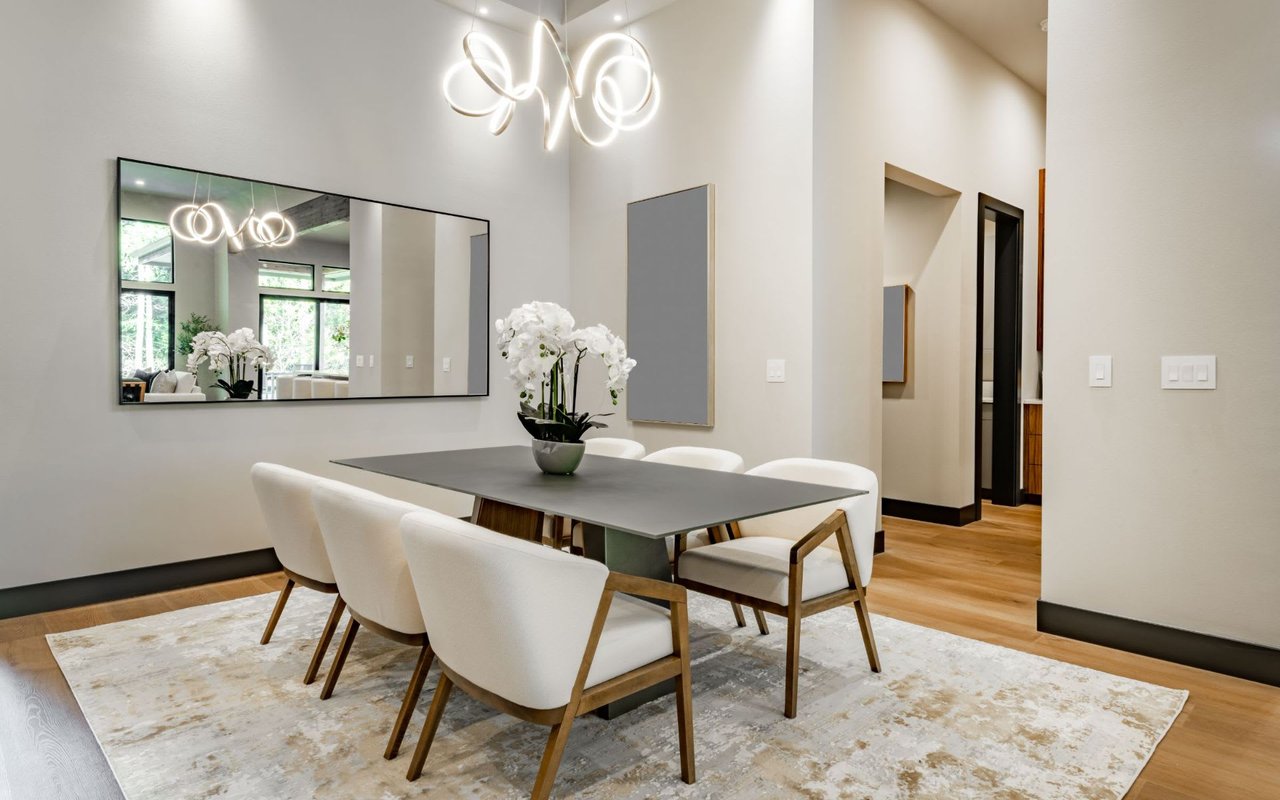
The dining area helps buyers picture everyday use and entertaining. Keep the table styling minimal and make sure traffic flow feels natural. Even small dining spaces can feel more useful when they are clearly defined.
Staging helps buyers picture the home
NAR found that 81% of buyers’ agents said staging made it easier for buyers to visualize a property as a future home. The same report found that 20% of sellers’ agents saw staged homes increase the dollar value offered by 1% to 5%, and 48% said staging reduced time on market either slightly or greatly.
In San Mateo, that matters. When homes move quickly and buyers may view several listings in a short time, staging can help your home feel more memorable and easier to understand. It is not about making the home look artificial. It is about helping buyers see the scale, flow, and purpose of each space.
Use professional media for your launch
Your listing usually meets buyers online before they ever step through the door. NAR reported that photos were much more important or more important to clients for 89% of sellers’ agents. The same research also showed interest in video, while Zillow found that listings with a 3D Home tour sold on average 14% faster and received 37% more views than listings without one.
That is why professional media matters. Clear, accurate photography and a strong visual story can help your home attract more attention in a crowded feed. When rooms are prepped well, professional media becomes even more effective.
A strong media package often includes:
- Professional photography
- Thoughtful room sequencing and flow
- Video content when appropriate
- A true-to-life 3D tour
- Exterior images that support curb appeal
For many sellers, this is where a full-service listing approach can make a real difference. Coordinating prep, staging, and photography together tends to create a smoother launch and a more polished result.
Do not overlook repairs and permit details
Presentation is important, but so is the behind-the-scenes work. If you know there is deferred maintenance, it is usually better to address it early rather than scramble right before going live. A practical approach is to separate cosmetic updates from health, safety, and permit-related issues.
The City of San Mateo code enforcement page lists issues such as unpermitted construction, mold, rodents or pests, no hot water, and no heat among the matters it handles. The city also offers online permit, inspection, and code-enforcement services, and notes that some no-plan permits include water heaters, re-roofing, and electrical service upgrades.
If a repair goes beyond simple DIY work, choose your contractor carefully. The California Contractors State License Board recommends checking the contractor’s license, getting at least three local references, and confirming who will pull permits. Its homeowner checklist also notes that down payments on home improvement projects generally should not exceed 10% of the contract price or $1,000, whichever is less.
Get disclosures organized early
Seller prep in California is not only about appearance. It also includes paperwork and disclosure planning. California’s Real Estate Transfer Disclosure Statement applies to many single-family residential sales, and the Department of Real Estate form makes clear that it is not a warranty and does not replace inspections.
Natural hazard information also matters. The California Geological Survey states that earthquake fault zones, seismic hazard zones, and other mapped natural hazards must be disclosed under the Natural Hazards Disclosure Act. If your home was built before 1978, federal law generally requires lead-based paint disclosures for most sales of that housing type, including known hazards, available reports, and a buyer pamphlet, along with an opportunity for the buyer to inspect.
The easiest path is to gather your documents before the listing is live. Permit records, contractor invoices, repair receipts, inspection reports, and disclosure forms are all easier to manage when you are not rushing.
A low-stress San Mateo prep timeline
A standout listing usually starts earlier than most sellers think. If you build in enough time, you can make better decisions and avoid expensive last-minute fixes.
Six to twelve months before listing
Start with deferred maintenance and bigger questions. This is a good time to review past work, collect permit records, and decide whether any projects need licensed contractors or inspections. If you are considering repairs that may affect systems or structure, early planning gives you more options.
Four to eight weeks before photos
This is the main presentation window. Finish decluttering, deep cleaning, paint touch-ups, pet planning, minor repairs, and staging for the rooms that matter most. If you are using professional photography and staging, give yourself time to coordinate everything without rushing.
Final one to two weeks
Use the last stretch to sharpen the details. Refresh landscaping, clean exterior areas, finalize your media package, and organize disclosures and permit documentation. In a market that can move quickly, being ready on day one can help your listing launch cleanly.
Local help can lighten the load
If your home needs repairs before listing, there may be local support worth exploring. San Mateo offers home repair assistance programs for income-qualified homeowners, including minor repairs, health and safety work, and energy-efficiency-related updates. For some sellers, that can help address deferred maintenance before bringing the home to market.
You do not have to manage every moving part alone. A hands-on local team can help you decide what to fix, what to leave alone, and what will have the biggest impact on your listing.
Preparing your San Mateo home for market is really about two things: clarity and confidence. When your home is clean, well-presented, and backed by organized disclosures and documentation, buyers can focus on what makes the property appealing. If you want a smoother selling process with professional photography, staging, and a local team that knows how to position Peninsula homes, connect with Fadi Shamieh.
FAQs
What should sellers do first when preparing a San Mateo home for listing?
- Start with decluttering, deep cleaning, and minor visible repairs so buyers can focus on the home’s layout, condition, and natural light.
Which rooms matter most when staging a San Mateo home for sale?
- The living room, kitchen, primary bedroom, and dining area are strong priorities because staging research shows buyers pay close attention to those spaces.
How important are professional photos for a San Mateo home listing?
- Professional photos are very important because many buyers decide which homes to visit online first, and strong visuals help your listing stand out quickly.
What disclosure items should San Mateo sellers organize before listing?
- Sellers should organize permit records, repair receipts, and required disclosure materials, including natural hazard information and lead-based paint disclosures when applicable.
Should sellers fix unpermitted or deferred maintenance issues before listing in San Mateo?
- It is often wise to review those issues early because permit questions, code concerns, and visible maintenance problems can create stress later if they are left unresolved.
Is there repair assistance available for some San Mateo homeowners before selling?
- Yes, the City of San Mateo has home repair assistance programs for income-qualified homeowners that may help with minor repairs, health and safety work, and some energy-efficiency updates.