Selling in San Francisco moves fast, and buyers decide even faster. Your listing has just seconds on a phone screen to make a strong impression, so thoughtful staging and high-caliber photos are not extras. They are your edge. In this guide, you’ll see exactly what a turnkey SF listing package includes, what it costs, how we measure success, and how the process works from prep to offers. Let’s dive in.
Why staging and photos matter in SF
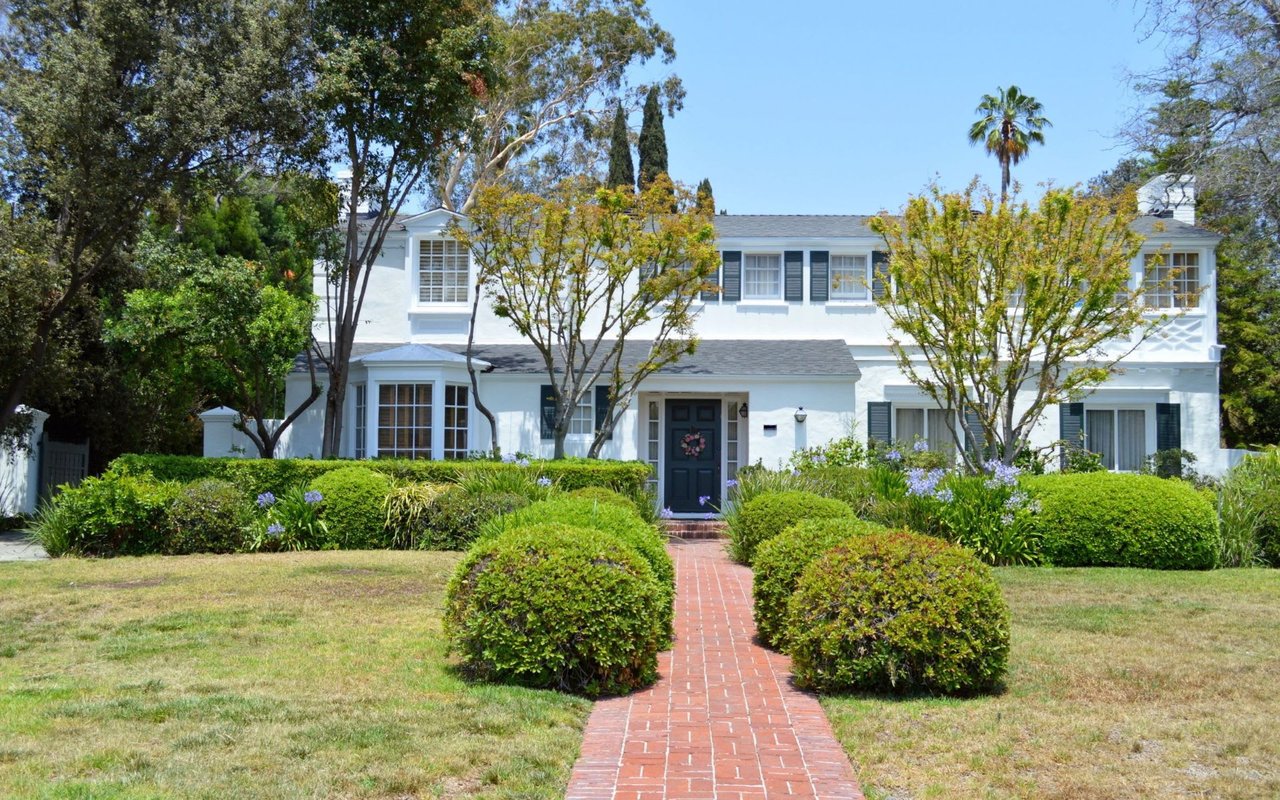
San Francisco buyers expect professional visuals, floor plans, and 3D tours. Most are browsing on mobile, so your first impression is visual and immediate. Strong presentation attracts more qualified showings and clearer offers.
Many SF homes are small-footprint condos and two-bedroom flats. Smart staging helps define spaces, improves flow, and maximizes perceived light and square footage. Floor plans and virtual tours also help remote or time-constrained buyers and reduce wasted showings.
What’s included in our SF listing package
Smart staging options
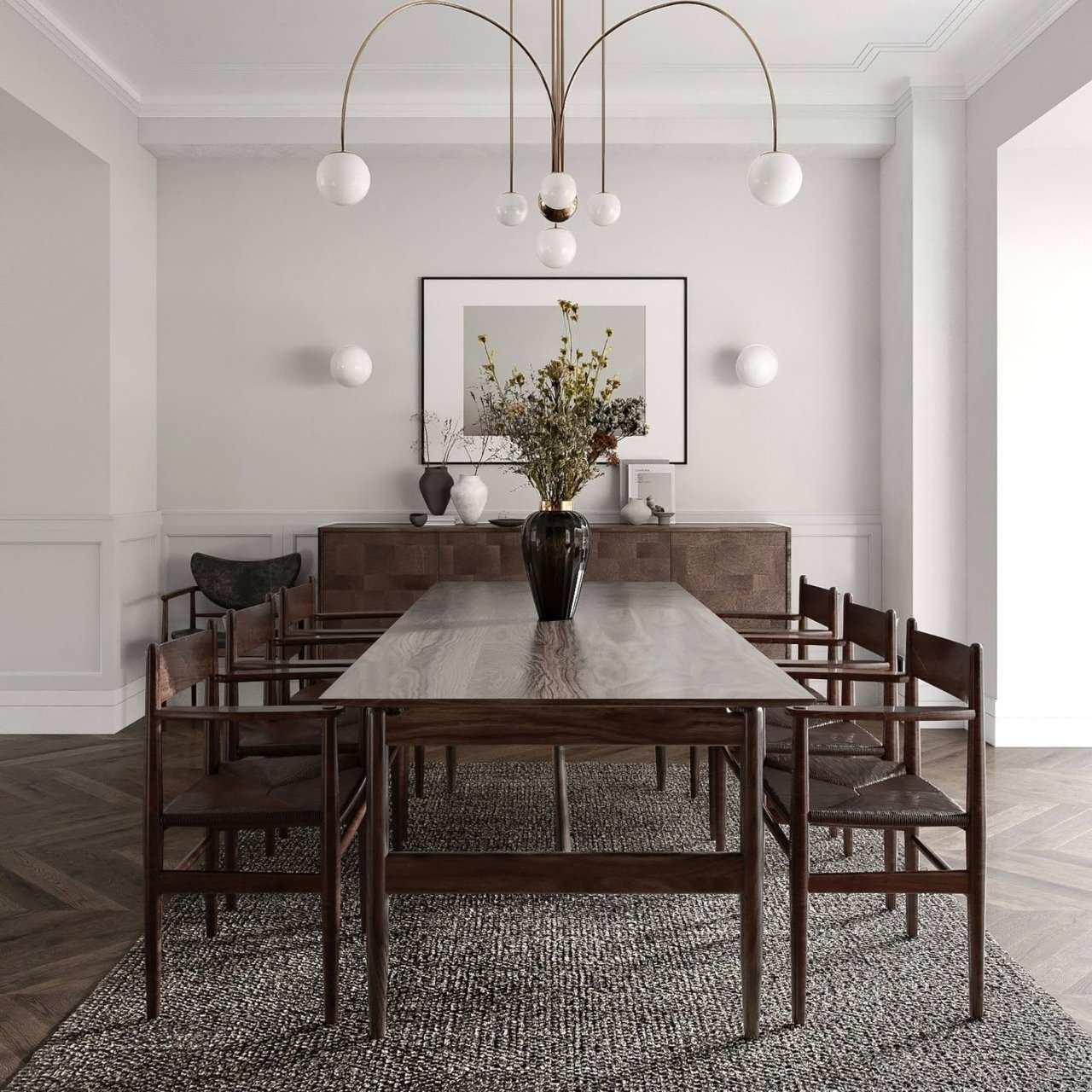
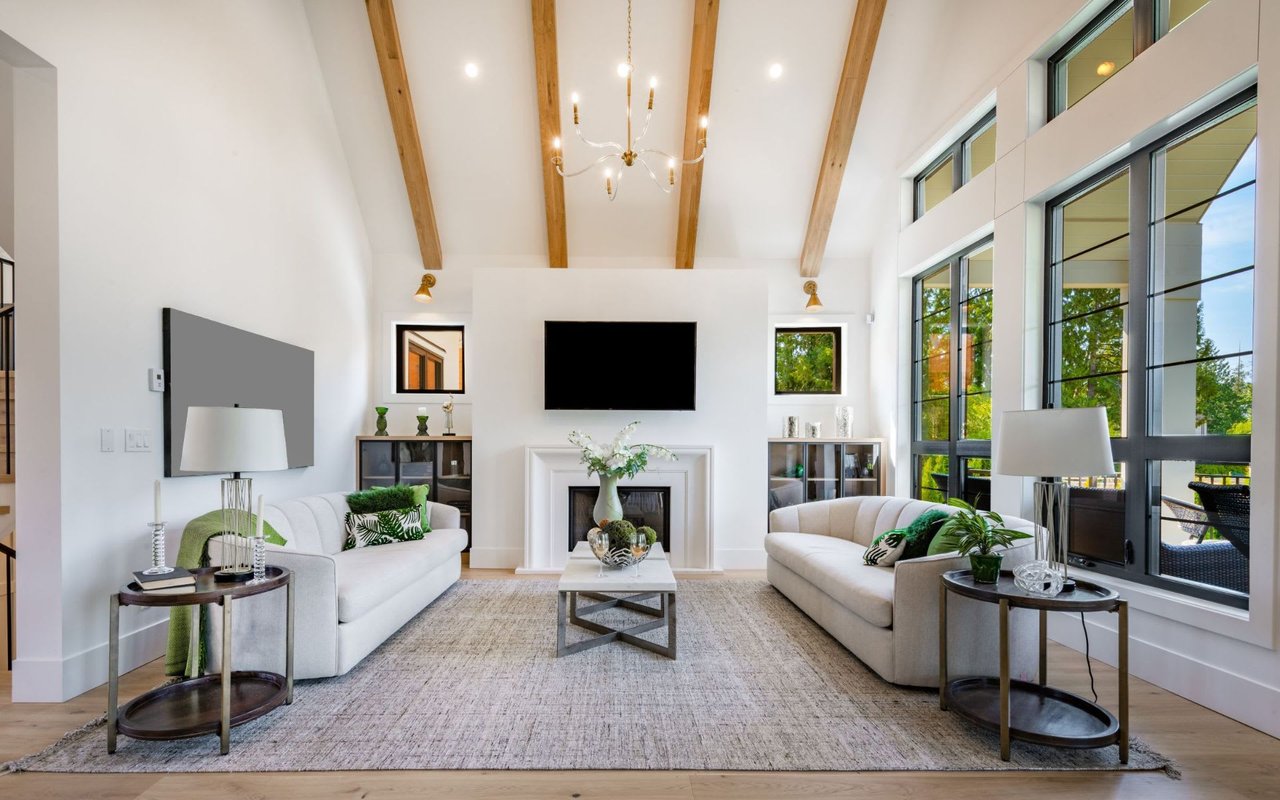
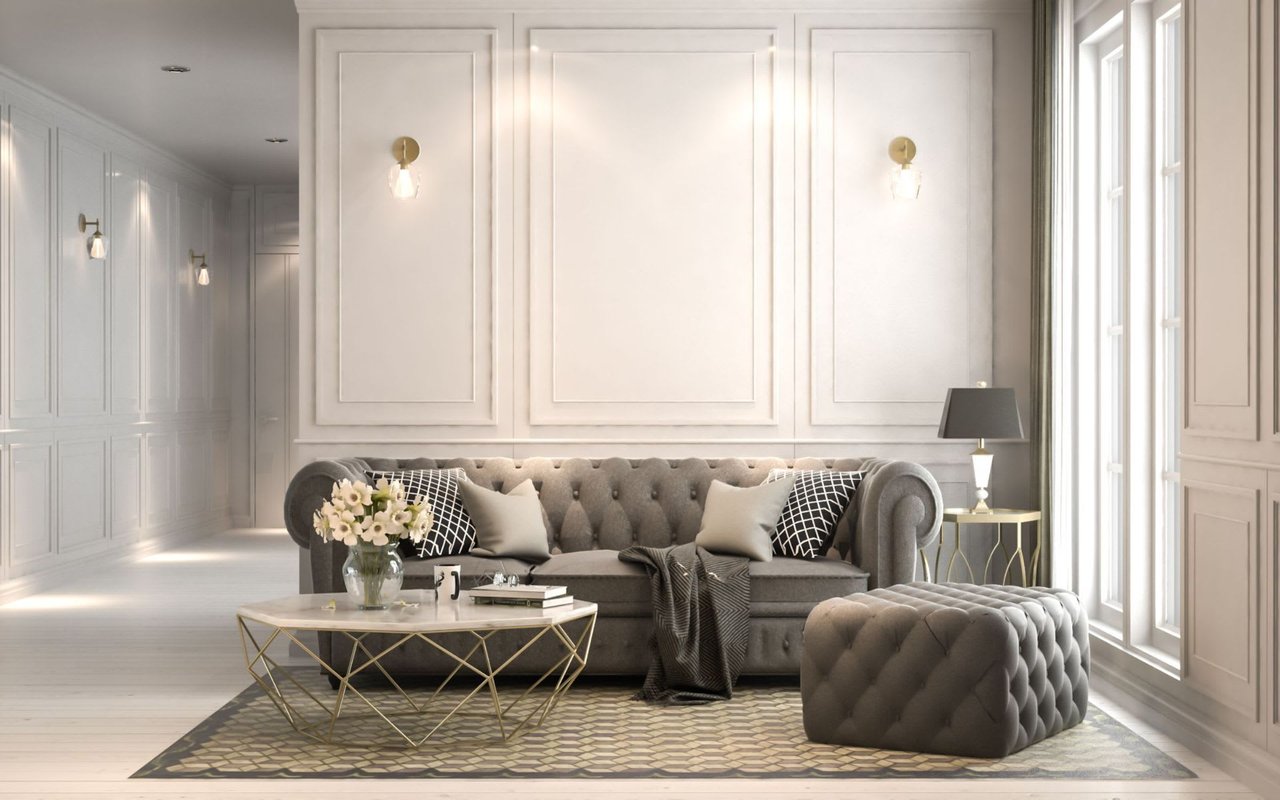
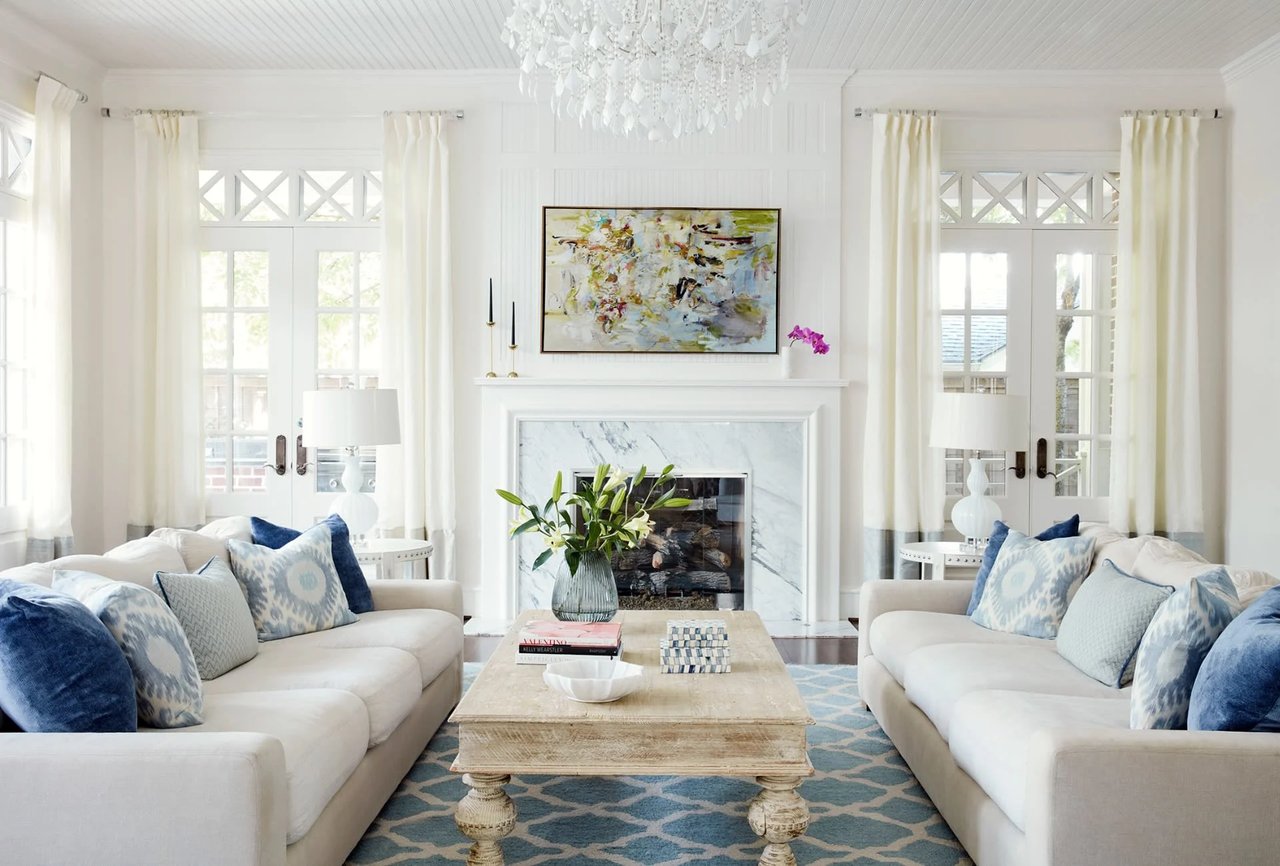
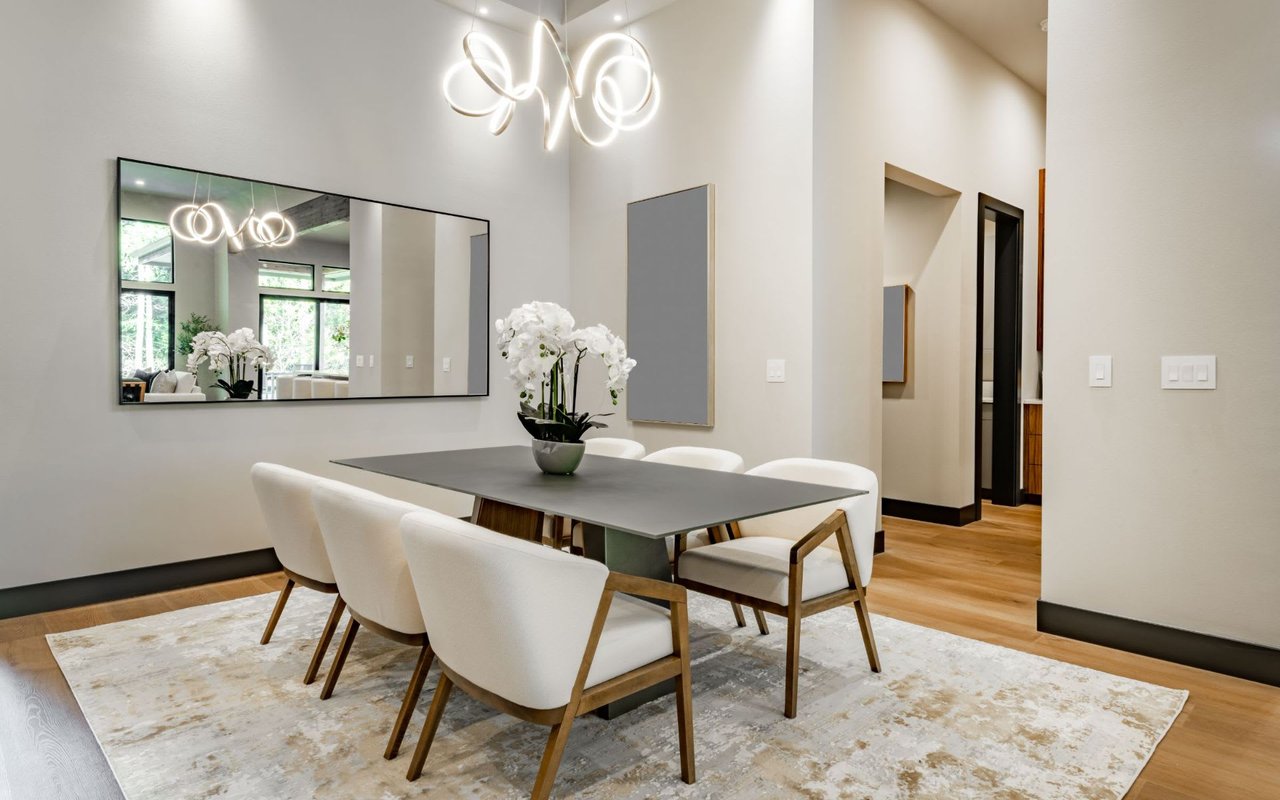
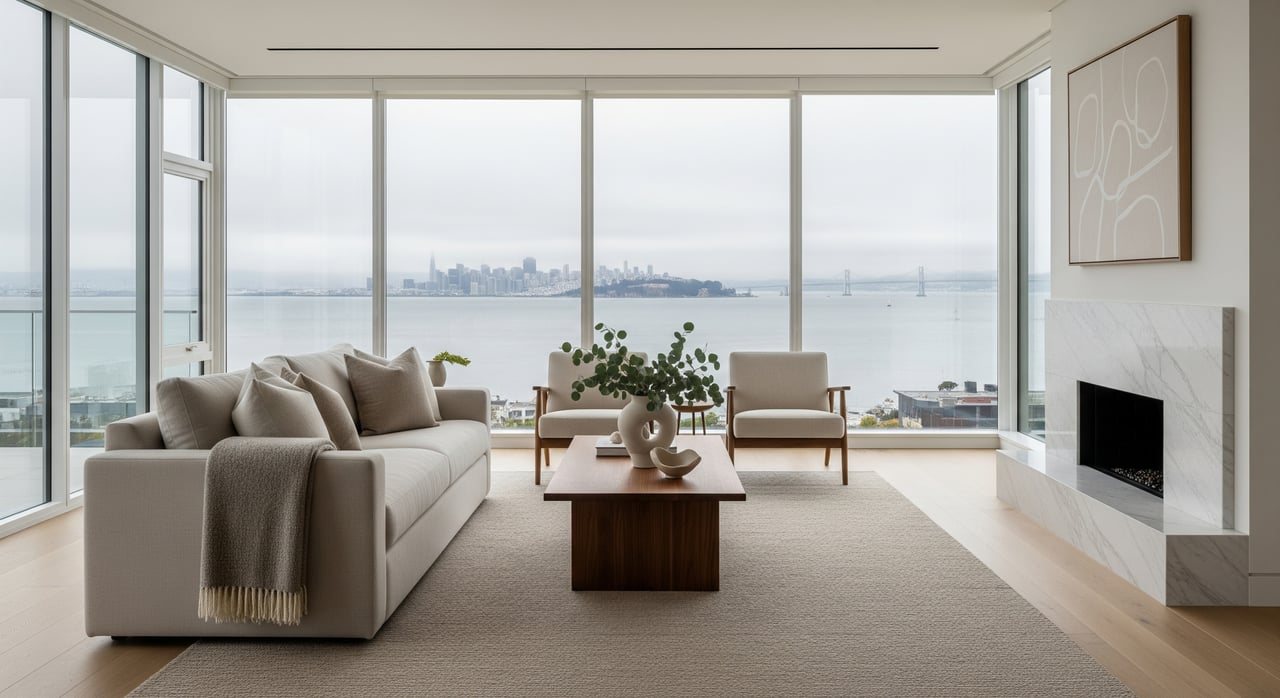
- Full physical staging: Best for vacant or higher-end homes. Furniture and accessories create lifestyle appeal and a cohesive look.
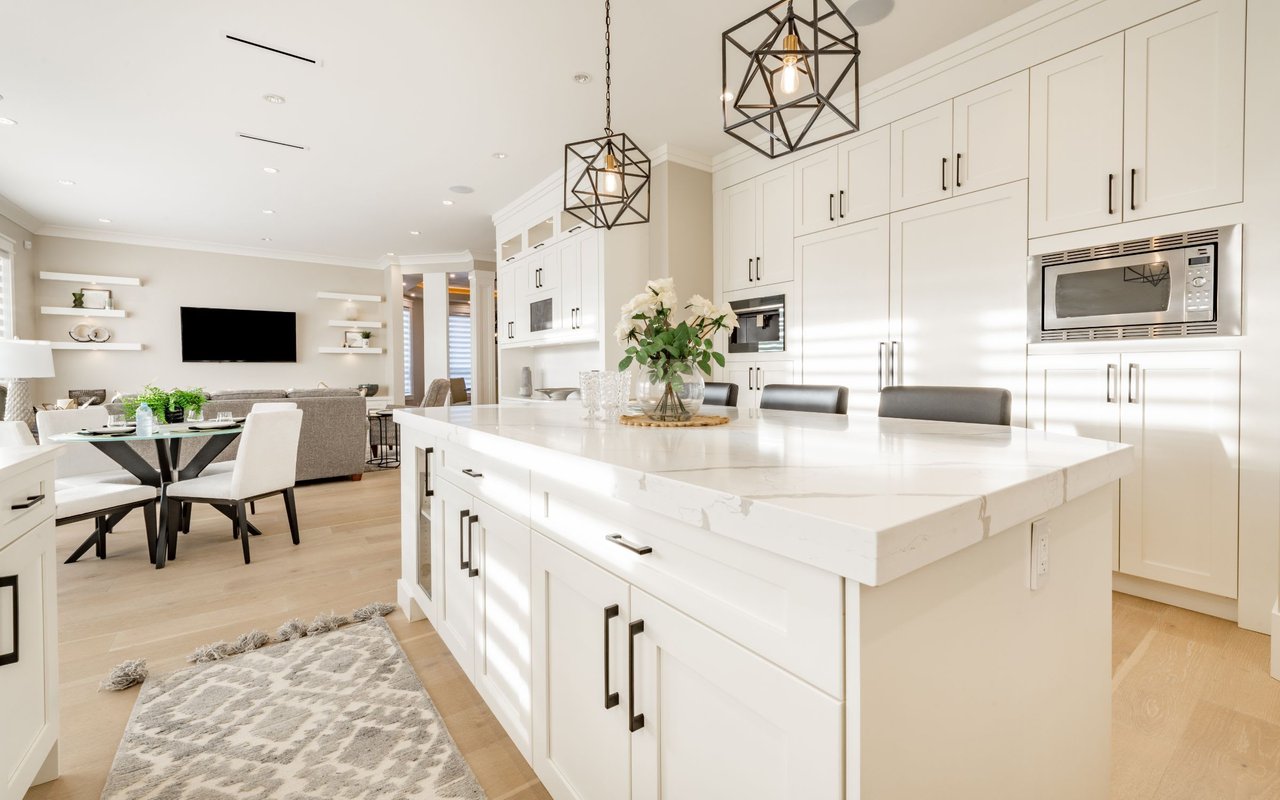
- Partial staging: Key rooms like the living room, kitchen, and primary bedroom get priority. It’s budget-friendly and photo-ready.
- Occupied-home styling: We edit and rearrange your furniture, then add select rental pieces to scale spaces correctly.
- Virtual staging: Cost-effective for vacant units online. It must be clearly labeled and paired with accurate floor plans and at least one real photo.
Best practices for SF homes:
- Define flexible spaces, including work-from-home nooks.
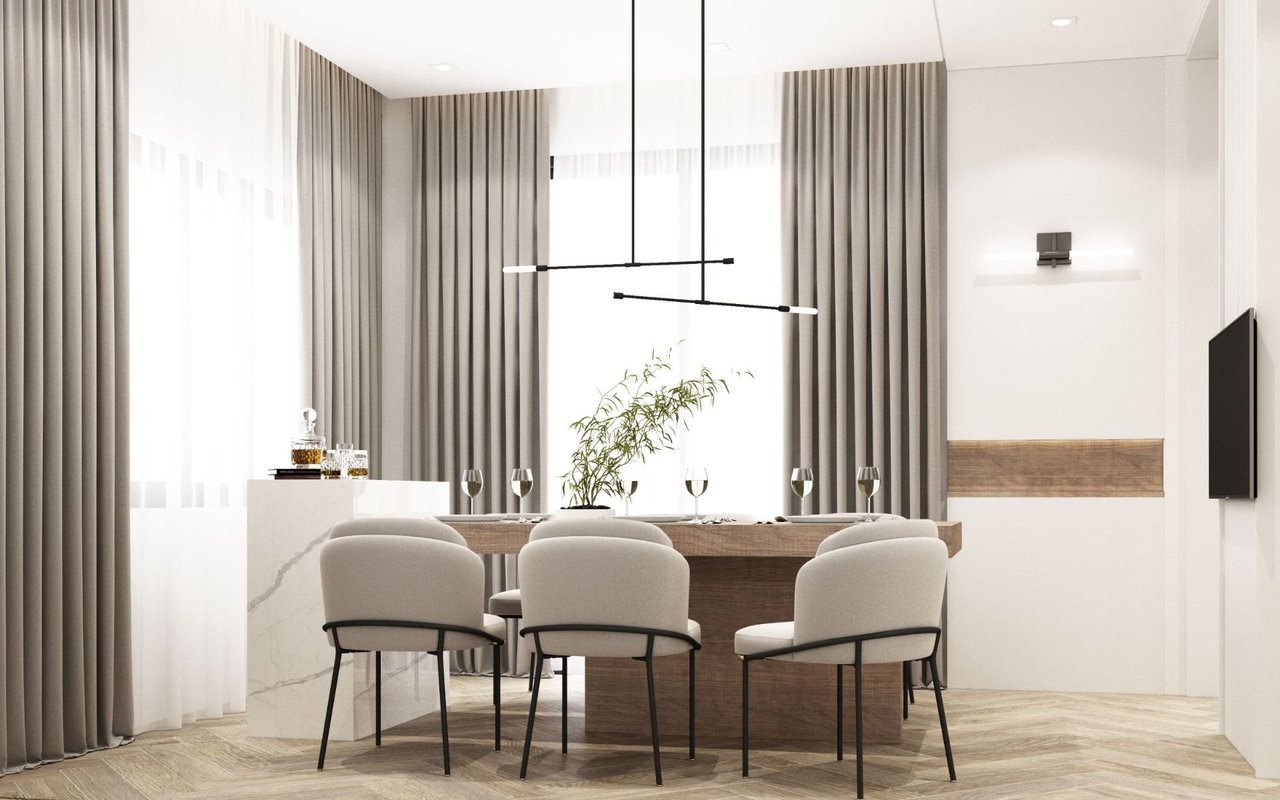
- Keep a bright, neutral palette that highlights natural light.
- Showcase indoor-outdoor features like balconies or small yards.
- Use scale-appropriate furniture so rooms feel larger.
- Complete staging 48 to 72 hours before the photo shoot for adjustments and cleaning.
Photography and 3D media
Professional photography anchors your launch. We use HDR exposure blending with natural color correction so rooms look bright and true to life. A typical media set includes:
- High-resolution interior and exterior photos with careful wide-angle use.
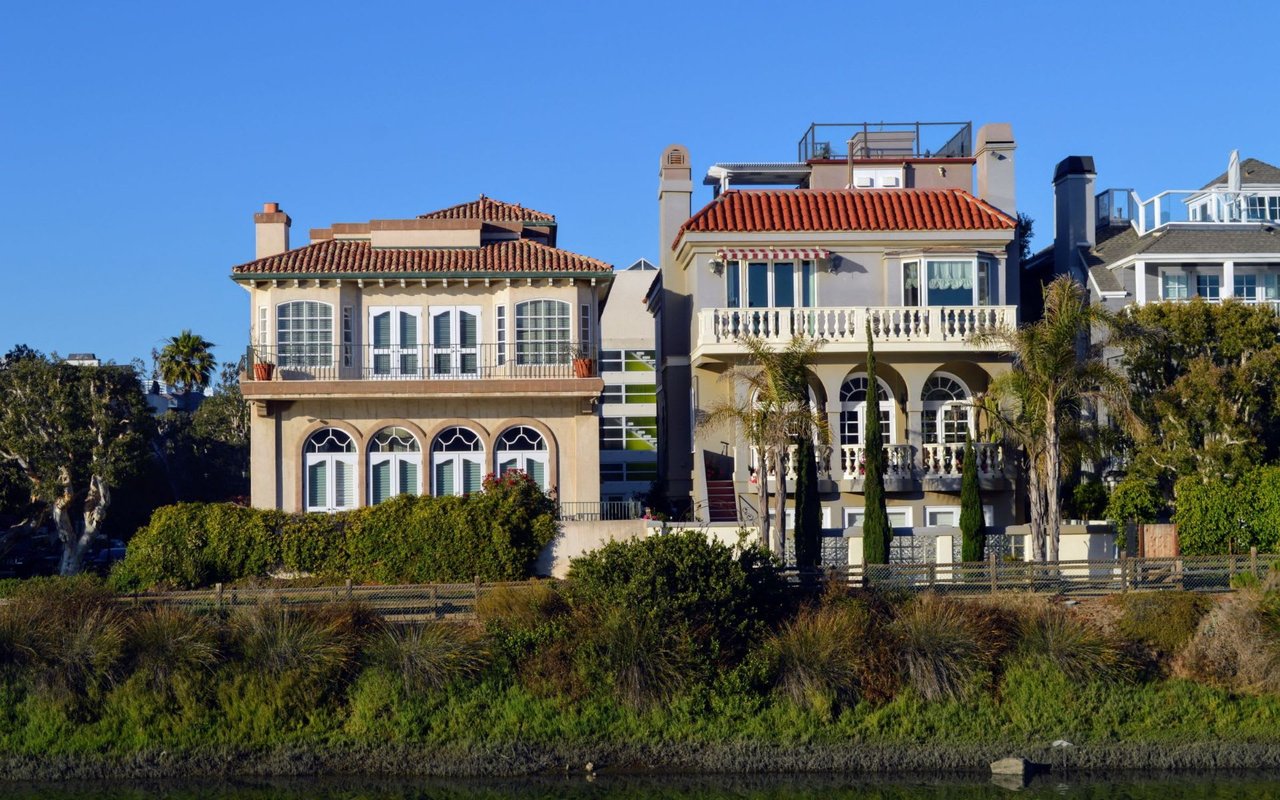
- One or two twilight images for curb appeal, when appropriate.
- Floor plans to help buyers understand the layout.
- A 3D virtual tour to let buyers explore on their own.
- Drone images when legal and useful for context and views.
- Short vertical walk-through clips sized for Instagram and Facebook.
Important notes:
- Clearly label any virtually staged images.
- Follow FAA and local rules for drone use. Some areas, including parts of the Presidio and other restricted zones, limit flights.
Marketing and distribution
We launch on the MLS first, then syndicate to major real estate portals. A simple property microsite can centralize photos, floor plans, and the 3D tour. To reach local buyers and agents, marketing typically includes:
- Targeted social ads by neighborhood and demographic.
- Email to local broker lists and active buyer agents.
- A broker tour in week one to build early momentum.
- Printed flyers and open house materials.
Messaging highlights matter in SF. We call out transit access, commute options, walkability, parking and HOA details, outdoor space, and recent upgrades like kitchen refreshes or seismic work, when applicable.
Results to expect and how we measure them
Every listing is different, but better presentation generally drives more initial views and higher-quality showings. We track the numbers so you can see the full picture. Core KPIs include:
- Days on market after the MLS launch date.
- List price to sale price relationship.
- Showings per week and total showings.
- Number of offers and offer spread.
- Listing page views, video views, and social ad engagement.
- Conversion metrics like showings per listing view and offers per showing.
We pair metrics with feedback from broker tours and open houses. The goal is to understand how buyers are responding and make timely adjustments if needed.
Transparent SF cost ranges
Budgets vary by property size and scope. Here are typical 2024 ranges so you can plan ahead:
- Professional photography: $300 to $800
- 3D virtual tour: $250 to $600
- Drone photography: $150 to $400
- Virtual staging: $50 to $200 per image
- Partial physical staging: $1,000 to $4,000
- Full-house staging: $2,000 to $8,000 or more, plus monthly rental if needed
- Marketing and ads: $200 to $2,000 or more
For many mid-priced condos, a targeted mix of partial staging, pro photos, a 3D tour, and a modest ad spend is cost-effective. For premium homes, full staging, twilight photos, and broader paid exposure can make strategic sense.
Your step-by-step timeline
Pre-list consultation - Day -14 to -7
We walk through your home, confirm goals, discuss valuation, recommend repairs or decluttering, and scope staging. We also book the photographer and media team.
Prep and staging - Day -7 to -2
You declutter and complete minor fixes while we coordinate deep cleaning and staging. If tenants occupy, we plan showing windows and legal notices together.
Photos and media - Day -2 to 0
We capture daytime photos, the 3D tour, and floor plans. Twilight photos are scheduled for the right evening light. Drone is added where legal and appropriate.
Launch - Day 0
We go live on the MLS with the full photo set, floor plan, and 3D tour. Email and social campaigns start, and the broker tour is scheduled.
Showings and offers - Week 1 to 4
We monitor KPIs, share feedback, and adjust strategy if needed. When offers arrive, we review terms and negotiate in line with your goals.
Legal and logistical details in SF
- Disclosures: California requires a Transfer Disclosure Statement and Natural Hazard Disclosure. Homes built before 1978 also need lead-based paint disclosures. Your agent will guide you.
- Tenant rights: San Francisco rent control and tenant protections affect timelines and access for occupied properties. Consult your agent and, if needed, an attorney for notice and showing requirements.
- Drone rules: Follow FAA and local restrictions, including limits in certain parks and districts. Only certified operators should fly.
- HOA and building policies: Confirm rules for staging, showings, photography, and broker access before scheduling.
Before and after stories sellers value
We document each listing so you can see the work and the results. Our reporting includes a clear narrative, a simple timeline, and side-by-side visuals when useful.
Example approach - small condo, vacant
- Neighborhood and property type listed with a concise description.
- Virtual staging for photos, plus a 3D tour and floor plan.
- A curated photo order that leads with a strong hero image.
- What we measured: page views, showings, days on market, offers.
What we did:
- Declutter and deep clean.
- Virtual staging for main rooms with clear labeling.
- Professional photos, floor plan, and 3D tour.
- Launch with social ads and a broker tour.
Example approach - occupied 2BR flat
- Partial physical staging focused on living, kitchen, and primary bedroom.
- Edited homeowner furniture for scale and traffic flow.
- What we measured: week-one showings and buyer feedback, then offers.
What we did:
- Room-by-room styling plan.
- Pro photos with tight mobile-friendly crops.
- Property microsite and agent email outreach.
- Weekend open houses with printed materials.
Example approach - higher-end single-family
- Full staging to define lifestyle spaces and outdoor flow.
- Twilight photography and, when appropriate, drone context shots.
- What we measured: listing engagement, open house traffic, offers and terms.
What we did:
- Full-home staging and accessory curation.
- Daytime and twilight photo sessions.
- Broker tour and targeted social campaigns.
- Weekly KPI updates and adjustments as needed.
Ready to plan your launch
If you want a streamlined sale with polished presentation and clear reporting, we’re here to help. Request a complimentary valuation and a tailored launch plan, or schedule a quick walk-through to review staging options and sample media. Start a conversation with Fadi Shamieh today.
FAQs
Do staging and photos pay off in San Francisco?
- Staging and professional visuals often increase engagement and can help shorten days on market, though outcomes depend on price point, neighborhood, and market conditions.
Is virtual staging allowed and how is it shown?
- Yes, it’s a cost-effective option for vacant units and must be clearly labeled, paired with accurate floor plans, and supported by at least one real photo.
How far ahead should I stage before photos?
- Aim to complete staging 48 to 72 hours before the photo shoot to allow for fine-tuning and cleaning.
Can I keep my own furniture during staging?
- Yes, occupied-home styling blends your furniture with select rental pieces to improve scale, flow, and function.
What if my home is occupied during showings?
- Use pre-scheduled windows and virtual tours to reduce disruption, and follow notice rules for any tenant-occupied property.
What KPIs should I see in my seller report?
- Days on market, showings per week, number of offers, sale price versus list, listing page views, social ad engagement, and buyer feedback summaries.
What does a typical SF listing package cost?
- Budgets vary, but expect photography at $300 to $800, 3D tours at $250 to $600, partial staging at $1,000 to $4,000, and ads from $200 to $2,000 or more.
Can we use drone photos in San Francisco?
- Often yes, but only with certified operators and in compliance with FAA rules and local restrictions that limit flights in certain areas.
How do you market condos with HOAs?
- We confirm building rules for staging and access, then highlight parking, HOA details, amenities, and nearby transit to match buyer priorities.